Success Stories: Transforming Land into Thriving Residential Communities


The Art of Transforming Land
Transforming land into thriving residential communities is both an art and a science. It requires vision, planning, and a deep understanding of community needs. Successful developers not only create spaces where people live but also where they thrive. This post explores some inspiring success stories that highlight the journey from bare land to bustling neighborhoods.
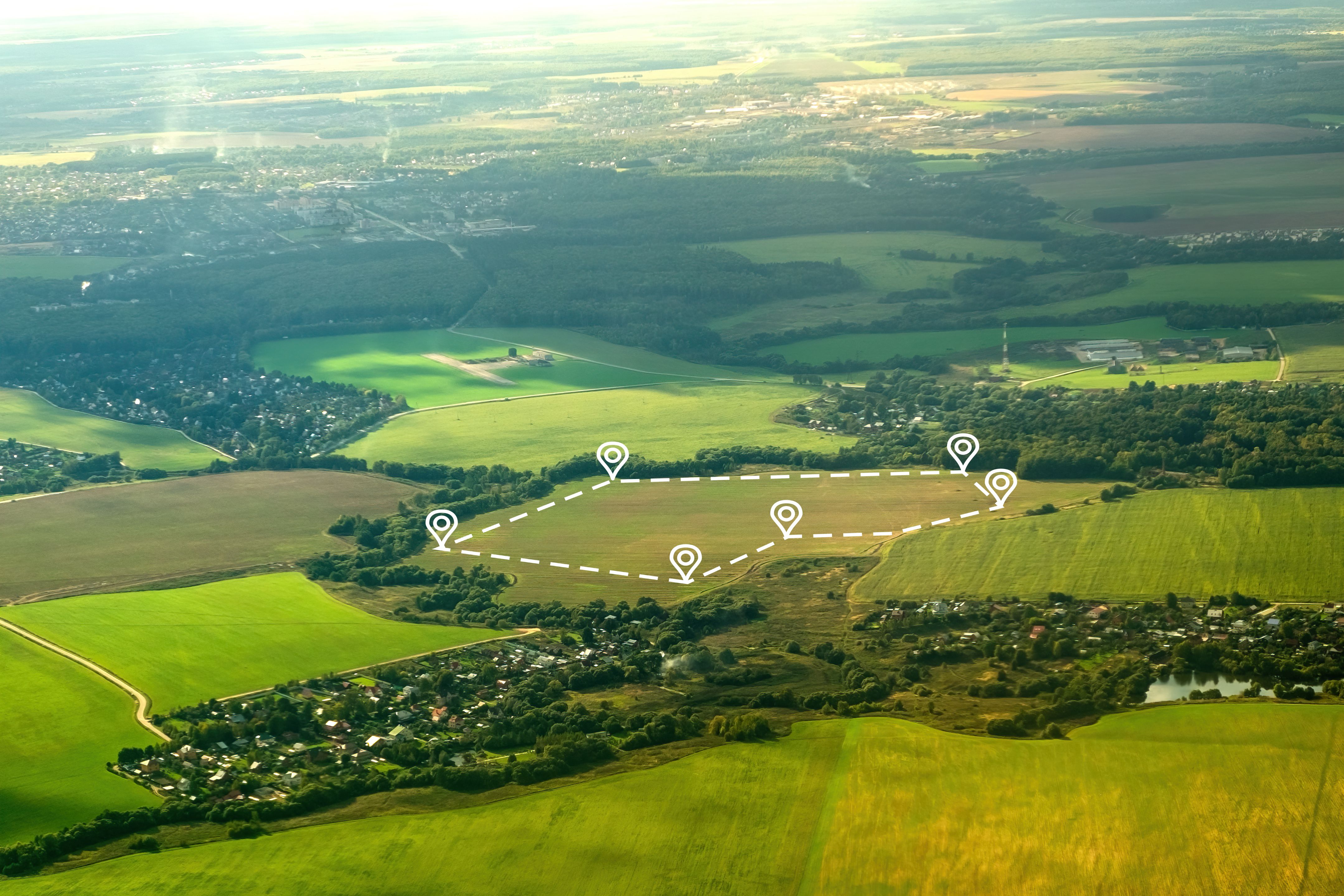
Visionary Planning
Every successful residential community begins with a visionary plan. Developers must consider various factors, from geographical features to local culture, to design spaces that resonate with future residents. Visionary planning involves creating a balance between nature and urban living, ensuring that green spaces are preserved while accommodating modern amenities.
One remarkable example is a community in the heart of Texas, where developers transformed an arid landscape into a lush, green neighborhood. By implementing sustainable practices and incorporating native plants, they not only revitalized the land but also created a vibrant ecosystem.
Community-Centric Design
Designing with the community in mind is crucial for long-term success. Developers who prioritize community-centric design focus on creating spaces that encourage interaction and foster a sense of belonging. This approach often includes features like parks, playgrounds, and community centers.
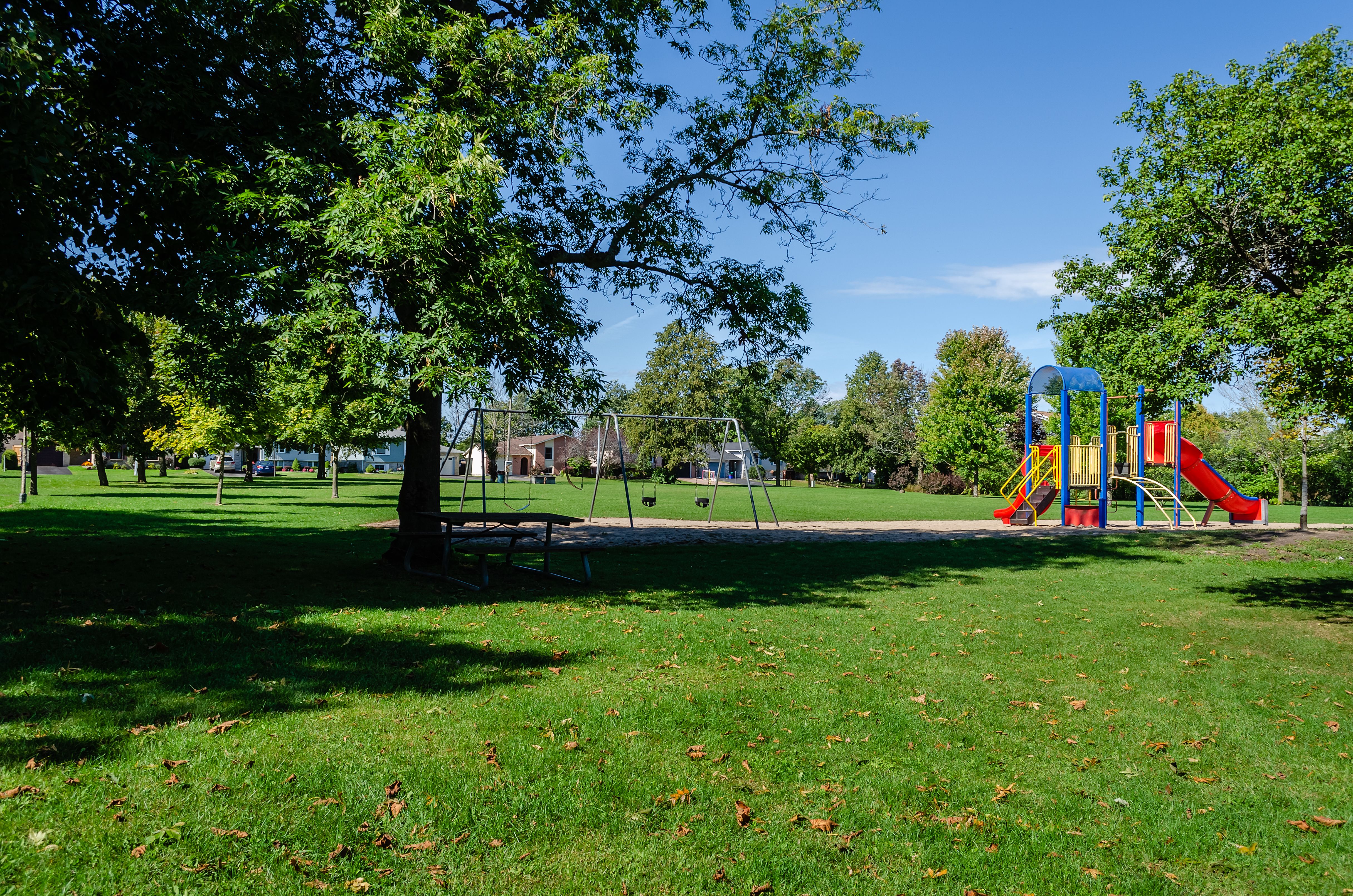
A notable success story is a development in Colorado, where the inclusion of extensive walking trails and communal gardens has significantly enhanced residents' quality of life. The design encourages outdoor activities and strengthens community bonds, making it a sought-after place to live.
Innovative Infrastructure
Infrastructure is the backbone of any residential community. Successful developments are equipped with modern infrastructure that caters to the needs of contemporary living. This includes access to transportation, reliable utilities, and high-speed internet.
In a coastal city in California, developers faced the challenge of building a community resilient to climate change. By investing in innovative infrastructure like flood defenses and renewable energy sources, they created a sustainable living environment that sets a benchmark for future projects.
Economic Growth and Job Creation
Thriving residential communities contribute significantly to economic growth and job creation. From construction jobs during the development phase to opportunities in retail and services, these communities become economic hubs.
In Florida, a large-scale residential project not only provided homes but also spurred local business growth. New businesses emerged to cater to the growing population, providing employment opportunities and boosting the local economy.
Lessons Learned
These success stories offer valuable lessons for future developments. Key takeaways include the importance of sustainable practices, community engagement, and innovative solutions. By learning from past successes, developers can create even more thriving communities.
In conclusion, transforming land into thriving residential communities is a multifaceted process that requires foresight, dedication, and innovation. The stories shared here are testaments to what can be achieved when developers commit to creating spaces that enrich lives and foster growth.